Long COVID Update: New Research Sheds Light on Persistent Post-Infection Symptoms
Three years after Long COVID was formally recognized as a distinct clinical entity, research has made substantial progress in characterizing this condition—though significant gaps in understanding and treatment remain. Post-acute sequelae of SARS-CoV-2 infection (PASC), commonly known as Long COVID, affects an estimated 10-30% of individuals who contract COVID-19, representing one of the largest mass-disabling events in modern medical history.
What Is Long COVID?
Long COVID is broadly defined as the persistence or development of new symptoms at least 3 months after initial SARS-CoV-2 infection, with these symptoms lasting for at least 2 months and not explained by an alternative diagnosis. The World Health Organization's clinical case definition emphasizes that symptoms may fluctuate or relapse over time. Importantly, Long COVID can occur after infections of any severity—including mild cases that did not require hospitalization—and across all age groups, though certain risk factors increase susceptibility.
The Symptom Landscape: More Than Fatigue
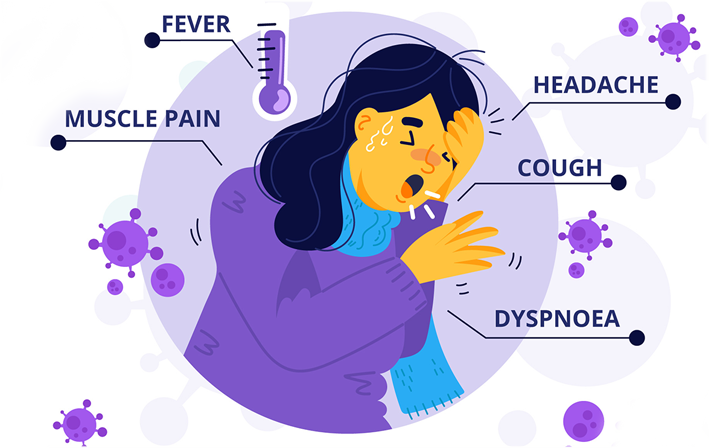
Long COVID encompasses a remarkably diverse array of symptoms affecting multiple organ systems. The most commonly reported include:
- Neurological and cognitive: "Brain fog" (difficulty concentrating, memory problems, slowed thinking), headaches, sleep disturbances, dizziness, and peripheral neuropathy (numbness or tingling in extremities).
- Cardiovascular: Chest pain, palpitations, postural orthostatic tachycardia syndrome (POTS—heart rate increases dramatically upon standing), and exercise intolerance.
- Respiratory: Persistent shortness of breath, cough, and reduced exercise capacity, even in those with normal chest imaging and pulmonary function tests.
- Musculoskeletal: Joint and muscle pain, profound fatigue, and post-exertional malaise (symptom worsening after physical or mental exertion, a hallmark also seen in ME/CFS).
- Gastrointestinal: Nausea, abdominal pain, diarrhea, and altered gut microbiome composition have been documented.
- Other: Loss or distortion of taste and smell (which can persist for years), hair loss, skin rashes, tinnitus, and mood disorders including anxiety and depression.
What Causes Long COVID? Leading Hypotheses
Research has converged on several non-mutually exclusive mechanisms:
- Viral persistence: SARS-CoV-2 genetic material and proteins have been detected in tissues (including the gut, brain, and lymph nodes) months after initial infection, suggesting that viral reservoirs may drive ongoing inflammation.
- Immune dysregulation: Studies have found persistently activated immune cells, elevated inflammatory markers, and autoantibodies (antibodies that mistakenly target the body's own tissues) in Long COVID patients.
- Microvascular damage and microclots: Amyloid microclots resistant to normal breakdown have been observed in blood samples from Long COVID patients, potentially impairing oxygen delivery to tissues.
- Mitochondrial dysfunction: Impaired cellular energy production may explain the profound fatigue and exercise intolerance characteristic of the condition.
- Reactivation of latent viruses: SARS-CoV-2 infection may reactivate dormant viruses such as Epstein-Barr virus, contributing to symptom burden.
Who Is Most at Risk?
Risk factors for developing Long COVID include: severe initial COVID-19 illness requiring hospitalization; being female; having pre-existing autoimmune conditions, asthma, or diabetes; being middle-aged (35-65) rather than elderly (paradoxically); and reactivation of Epstein-Barr virus. Vaccination before initial infection reduces Long COVID risk by approximately 30-50%, according to multiple large cohort studies. Each subsequent COVID-19 infection carries renewed risk of developing or worsening Long COVID.
Management and Treatment
There is currently no specific cure for Long COVID. Management is multidisciplinary and symptom-directed, ideally through specialized Long COVID clinics where available. Approaches include: graduated exercise therapy (carefully paced to avoid post-exertional malaise), cognitive rehabilitation for brain fog, medications for symptom management (beta-blockers for POTS, low-dose naltrexone for fatigue and pain), breathing exercises and pulmonary rehabilitation, and psychological support for the mental health burden of chronic illness. Patients with suspected Long COVID should undergo evaluation to rule out alternative diagnoses and assess for organ-specific complications (cardiac, pulmonary, neurological).
The Research Horizon
Major research initiatives, including the NIH's RECOVER study, continue to investigate Long COVID mechanisms and potential therapies. Promising avenues include antiviral agents targeting persistent viral reservoirs, therapies addressing microclots, immunomodulatory treatments, and mitochondrial support strategies. As the scientific understanding of Long COVID deepens, the hope is that targeted therapies will emerge—but for now, prevention through vaccination and avoiding infection remains the most effective strategy.
ADVERTISEMENT — Google AdSense — Responsive Ad Unit