


Coronavirus disease (COVID-19) is a highly contagious respiratory illness caused by the SARS-CoV-2 virus. First identified in Wuhan, China in December 2019, it rapidly spread across the globe and was declared a pandemic by the World Health Organization (WHO) in March 2020. The virus belongs to a large family of coronaviruses that cause illnesses ranging from the common cold to more severe diseases such as Middle East Respiratory Syndrome (MERS) and Severe Acute Respiratory Syndrome (SARS).
COVID-19 spreads primarily through respiratory droplets when an infected person coughs, sneezes, talks, or breathes. These droplets can be inhaled by people nearby or land on surfaces. Transmission can occur through:
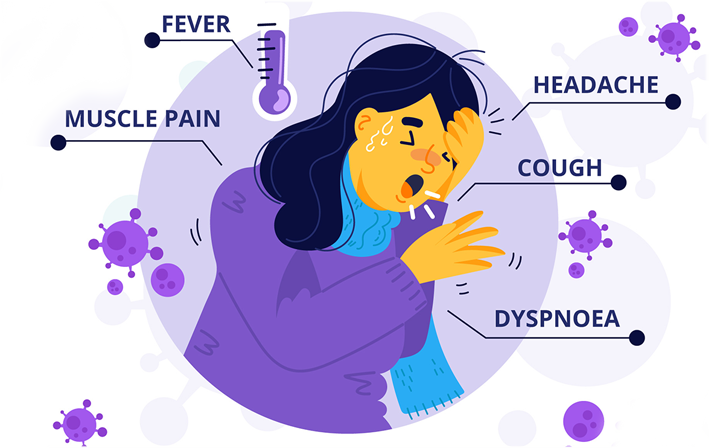
Symptoms typically appear 2 to 14 days after exposure to the virus. The most common symptoms include:
While anyone can contract COVID-19, certain groups are at higher risk of developing severe illness:
Most people with COVID-19 (about 80%) recover without needing hospital treatment. Mild cases can be managed at home with rest, hydration, and over-the-counter medications such as acetaminophen to reduce fever and pain. Antiviral medications like Paxlovid and Remdesivir are available for high-risk patients. Severe cases may require hospitalization, oxygen therapy, or mechanical ventilation. COVID-19 vaccines and booster doses have proven highly effective at reducing the severity of illness and preventing hospitalizations and deaths.
Some individuals experience persistent symptoms weeks or months after the initial infection, a condition known as Long COVID or Post-COVID Syndrome. Common long-term effects include ongoing fatigue, brain fog, shortness of breath, chest pain, joint pain, and depression. Research into Long COVID is ongoing, and patients experiencing prolonged symptoms should consult their healthcare provider for a personalized management plan.
© 2026 globesimsreg. All Rights Reserved. | Privacy Policy | Terms of Service | Cookie Policy