The Science Behind Hand Washing: Why 20 Seconds Makes All the Difference
Hand washing with soap is arguably the single most cost-effective public health intervention ever devised. The Centers for Disease Control and Prevention (CDC) estimates that proper hand hygiene reduces the risk of respiratory illness by 16-21% and diarrheal disease by 23-40%. Despite its simplicity, the molecular science behind why soap destroys viruses is elegant and powerful—and understanding it makes clear why the 20-second rule isn't arbitrary.
The Molecular Chemistry: How Soap Destroys Viruses
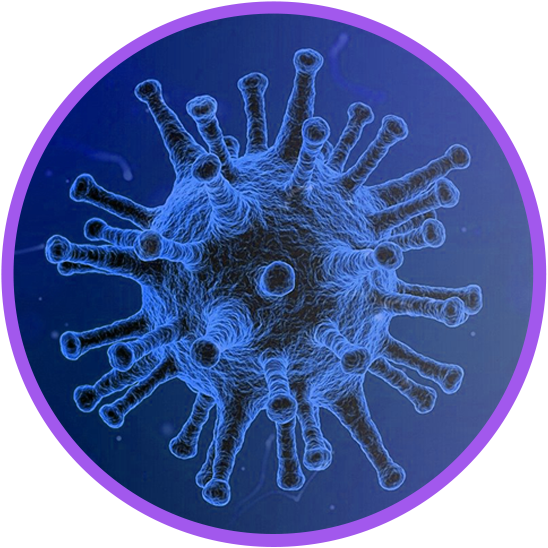
Coronaviruses, including SARS-CoV-2, are enveloped viruses. Their genetic material is protected by a lipid (fat) bilayer membrane studded with spike proteins. This lipid envelope is held together by hydrophobic (water-repelling) interactions—relatively weak forces that soap molecules are perfectly designed to disrupt. Soap molecules (surfactants) have a dual nature: a hydrophilic (water-loving) head and a hydrophobic (fat-loving) tail. When soap encounters a virus, the hydrophobic tails wedge themselves into the viral lipid envelope, prying it apart like a crowbar. The viral contents spill out and the particle is rendered non-infectious. This mechanism is purely physical—viruses cannot develop resistance to it, unlike antibiotics or antivirals.
Why 20 Seconds Matters
The 20-second duration isn't an arbitrary number—it reflects the time needed for soap molecules to work their way into all the microscopic crevices of your skin. Your hands have approximately 30 square inches of surface area, with countless folds, creases, and microscopic valleys where virus particles can hide. Research published in the Journal of Hospital Infection shows that 15 seconds of hand washing removes approximately 77% of transient bacteria, while 30 seconds removes 92%. The 20-second threshold—roughly the time it takes to hum "Happy Birthday" twice—strikes the practical balance between effectiveness and real-world compliance.
The CDC-Recommended Hand Washing Technique
- Wet your hands with clean, running water (warm or cold). Turn off the tap to conserve water.
- Apply soap generously. Liquid soap is preferred over bar soap in shared settings.
- Lather by rubbing your hands together. Cover all surfaces: backs of hands, between fingers, under fingernails.
- Scrub for at least 20 seconds. Need a timer? Hum the "Happy Birthday" song twice.
- Rinse thoroughly under clean, running water.
- Dry using a clean towel or air dryer. Wet hands transfer pathogens more readily than dry hands.
Alcohol-Based Hand Sanitizer: When and How to Use It
When soap and water are unavailable, alcohol-based hand sanitizers containing at least 60% alcohol are an effective alternative. The alcohol denatures viral proteins and disrupts lipid membranes through a similar mechanism to soap. However, sanitizers have important limitations: they are less effective on visibly dirty or greasy hands, they do not remove all types of germs (notably norovirus and C. difficile spores), and they may not work as well when hands are wet with sweat or other fluids. Sanitizer should cover all hand surfaces and be rubbed until dry, which takes about 20 seconds.
Critical Moments for Hand Hygiene
The CDC identifies these key times for hand washing:
- Before, during, and after preparing food
- Before eating
- Before and after caring for someone who is sick
- Before and after treating a cut or wound
- After using the toilet
- After changing diapers or cleaning a child who has used the toilet
- After blowing your nose, coughing, or sneezing
- After touching garbage
- After touching animals, animal feed, or animal waste
- After touching frequently handled surfaces in public spaces (door handles, elevator buttons, handrails)
The Bottom Line
Hand washing is cheap, simple, and extraordinarily effective. The 20 seconds you spend at the sink represents one of the highest-return investments in personal and public health you can make. In an era of emerging infectious diseases and increasing antimicrobial resistance, this humble, century-old intervention remains one of medicine's most powerful tools.
ADVERTISEMENT — Google AdSense — Responsive Ad Unit