Fever Management 101: When to Treat at Home and When to Seek Emergency Care
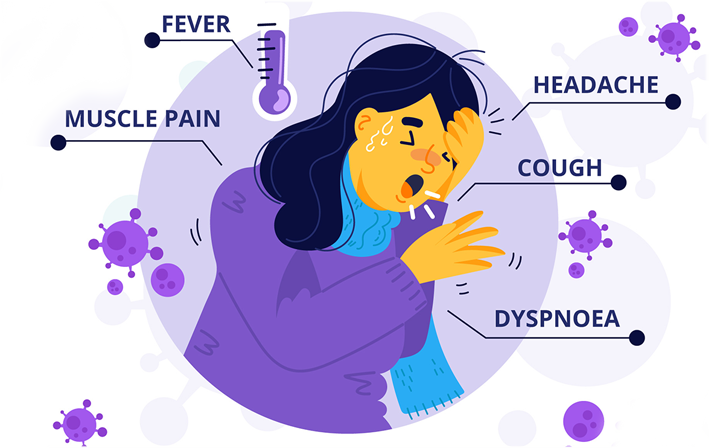
Fever is one of the most misunderstood symptoms in medicine. Far from being an illness itself, fever is a highly evolved defense mechanism—your body's way of creating an inhospitable environment for invading pathogens. When viruses or bacteria enter your system, immune cells release signaling molecules called pyrogens that travel to the brain's hypothalamus, effectively turning up your body's thermostat. Understanding this process helps demystify fever and informs better decisions about when to treat it and when to let it run its course.
What Temperature Counts as a Fever?
Normal body temperature varies throughout the day and between individuals, typically ranging from 97°F to 99°F (36.1°C to 37.2°C). The medical consensus defines fever as follows:
- Low-grade fever: 100.4°F to 102°F (38°C to 38.9°C)
- Moderate fever: 102.1°F to 104°F (38.9°C to 40°C)
- High fever: Above 104°F (40°C)
Temperature readings can vary depending on measurement method. Rectal temperatures are most accurate for infants. Oral readings are standard for older children and adults. Ear (tympanic) and forehead (temporal artery) thermometers provide convenient alternatives, though readings may differ by 0.5-1°F from oral measurements. Axillary (armpit) readings are the least reliable.
When to Treat Fever at Home
For most healthy adults and children over 6 months, fevers below 103°F (39.4°C) can typically be managed safely at home with supportive care. The goal of treatment is not necessarily to eliminate the fever entirely but to keep the person comfortable while the immune system does its work. Recommended at-home strategies include:
- Hydration: Fever increases fluid loss through sweating. Drink water, clear broths, herbal teas, or oral rehydration solutions. For children, Pedialyte or similar electrolyte solutions are appropriate.
- Rest: Your body diverts significant energy toward immune function during a fever. Adequate rest supports this process.
- Light clothing: Overdressing or bundling can trap body heat. Wear lightweight, breathable fabrics and use light bedding.
- Cool compresses: A lukewarm (not cold) washcloth on the forehead can provide comfort.
- Medication (as appropriate): Acetaminophen (Tylenol) or ibuprofen (Advil, Motrin) can reduce fever when it causes significant discomfort. Always follow weight-based dosing for children.
Important Medication Safety Rules
- Never give aspirin to children or teenagers with viral illnesses. This can trigger Reye's syndrome, a rare but potentially fatal condition causing liver and brain swelling.
- Do not alternate acetaminophen and ibuprofen unless specifically directed by your pediatrician. The practice increases the risk of dosing errors.
- Check combination medications. Many cold and flu products already contain acetaminophen. Adding separate acetaminophen on top of these can lead to dangerous overdoses, causing liver damage.
- Ibuprofen should be taken with food to minimize stomach irritation.
Red Flags: When to Seek Medical Attention
Certain fever scenarios demand prompt medical evaluation. Contact a healthcare provider or visit the emergency department if you experience any of the following:
For Adults:
- Fever above 103°F (39.4°C) that does not respond to fever-reducing medication
- Fever persisting more than 3 days without improvement
- Severe headache, especially with neck stiffness
- Confusion, disorientation, or difficulty staying awake
- Chest pain or difficulty breathing
- Severe abdominal pain
- Signs of dehydration: very dry mouth, dizziness when standing, no urination for 8+ hours
- Seizure or convulsion
- Rash that does not blanch (fade) when pressed
For Infants and Children:
- Infant under 3 months: Any rectal temperature of 100.4°F (38°C) or higher
- Infant 3-6 months: Temperature above 102°F (38.9°C)
- Child of any age: Temperature above 104°F (40°C)
- Fever lasting more than 5 days in a child of any age
- Child who is lethargic, unresponsive, or unusually irritable
- Signs of dehydration: no tears when crying, sunken eyes, no wet diapers for 8+ hours, dry mouth
- Febrile seizure (particularly if it is the first one or lasts more than 5 minutes)
- Stiff neck, severe headache, or sensitivity to light
The Bottom Line
Fever is your ally, not your enemy. It signals that your immune system is engaged and fighting. The decision to treat a fever should be based on how you feel, not the number on the thermometer. Focus on rest, hydration, and monitoring for warning signs. When in doubt, especially with infants, young children, or immunocompromised individuals, err on the side of consulting a healthcare professional. Early intervention, when truly needed, can be life-saving.
ADVERTISEMENT — Google AdSense — Responsive Ad Unit