Coronavirus Continues to Evolve: What You Need to Know About Emerging Variants in 2026
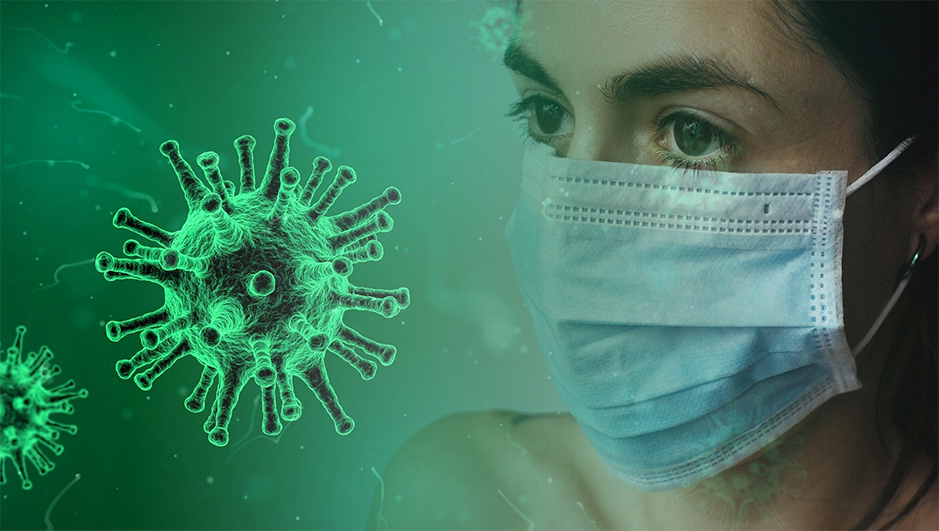
As SARS-CoV-2 enters its seventh year of global circulation, the virus continues to demonstrate remarkable evolutionary capacity. New sub-variants of the Omicron lineage continue to emerge with mutations that enhance transmissibility and, in some cases, allow partial evasion of immunity from prior infection or vaccination. Understanding these viral changes is essential for both public health planning and individual risk assessment.
The World Health Organization's Technical Advisory Group on Virus Evolution (TAG-VE) maintains an active surveillance network spanning over 150 countries. As of mid-2026, several Omicron descendants—designated as "Variants Under Monitoring" (VUMs)—have been identified with spike protein mutations that warrant close observation. These mutations primarily occur in the receptor-binding domain (RBD), the region of the virus that attaches to human ACE2 receptors, affecting both transmissibility and antibody recognition.
How Variant Surveillance Works
Genomic sequencing capacity has expanded dramatically since the early days of the pandemic. What once took weeks now takes days—in some cases, hours. Modern sequencing laboratories process thousands of samples weekly, uploading genetic data to global databases like GISAID, which now contains over 16 million SARS-CoV-2 sequences. This unprecedented level of surveillance allows scientists to detect new variants within days of their emergence, track their spread across continents, and assess their potential public health impact in near real-time.
Wastewater surveillance has emerged as a powerful complementary tool. By testing sewage samples for viral RNA, public health agencies can detect community-level transmission trends and identify variant proportions without relying solely on individual testing. This approach has proven particularly valuable as clinical testing rates have declined, providing an early warning system that operates independently of healthcare-seeking behavior.
Current Variants of Concern
The Omicron variant family, first identified in November 2021, remains dominant globally. However, its continued evolution has produced numerous sub-lineages with increasing genetic diversity. The key mutations being tracked in 2026 involve changes to the spike protein at positions associated with antibody escape—meaning prior immunity from either vaccination or natural infection may be less effective at preventing infection with these newer strains.
Importantly, while these mutations may reduce protection against symptomatic infection, current vaccines continue to provide robust protection against severe illness, hospitalization, and death across all known variants. This is because vaccines generate broad immune responses involving both antibodies and T-cells. While antibodies target the rapidly mutating spike protein, T-cell responses recognize more conserved regions of the virus that change much more slowly, providing a durable second line of defense.
Vaccine Adaptation and Booster Strategy
Vaccine manufacturers have developed updated formulations targeting recent Omicron sub-lineages. The current generation of mRNA vaccines (from Pfizer-BioNTech and Moderna) and protein-based vaccines (from Novavax) have been updated to include spike proteins from circulating variants. The Advisory Committee on Immunization Practices (ACIP) recommends that all individuals aged 6 months and older stay current with their COVID-19 vaccinations.
For adults aged 65 and older, immunocompromised individuals, and those with significant underlying medical conditions, a second annual booster dose may be recommended depending on local epidemiology and individual risk factors. These populations should consult their healthcare providers for personalized vaccination schedules.
What This Means for Individuals
For the general public, the emergence of new variants does not fundamentally change the recommended prevention strategies. The core protective measures remain:
- Stay vaccinated: Keep up with recommended primary series and booster doses tailored to circulating variants.
- Practice respiratory hygiene: Wear a well-fitted mask (N95 or KN95) in crowded indoor settings, particularly during periods of elevated community transmission.
- Improve ventilation: Open windows, use HEPA air purifiers, and spend time outdoors when possible.
- Test when symptomatic: Rapid antigen tests remain useful for detecting current variants, though sensitivity may vary. PCR testing provides the most accurate results.
- Isolate when positive: Follow current CDC isolation guidelines to prevent transmission to others.
- Stay informed: Monitor updates from reputable sources like the WHO, CDC, and your local health department.
Looking Ahead
The scientific consensus is that SARS-CoV-2 will continue to circulate indefinitely, evolving in ways similar to seasonal influenza. However, unlike influenza—which undergoes antigenic drift requiring annual vaccine reformulation—COVID-19's mutation rate appears to be somewhat slower, potentially allowing for longer intervals between vaccine updates. Research into universal coronavirus vaccines that target conserved viral regions across multiple coronavirus species holds promise for broader and more durable protection.
Public health infrastructure built during the pandemic—including expanded genomic surveillance, wastewater monitoring programs, and vaccine manufacturing capacity—represents a lasting investment in global health security. These systems, if maintained and adequately funded, will serve as critical defenses against both continuing SARS-CoV-2 evolution and future pandemic threats from other emerging pathogens.
ADVERTISEMENT — Google AdSense — Responsive Ad Unit