Chronic Cough: Causes Beyond Respiratory Infection and When to Investigate
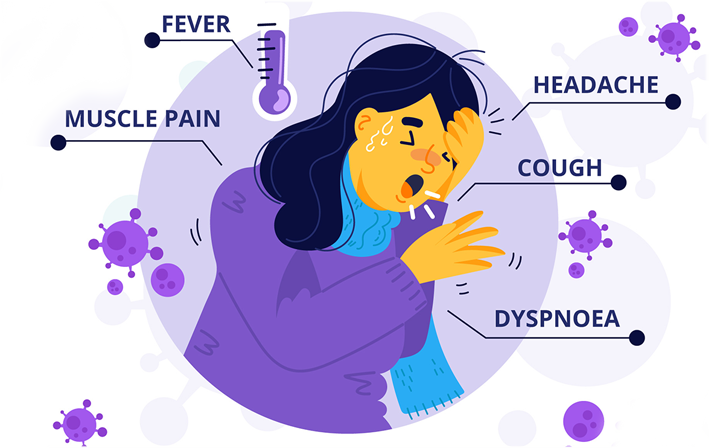
A cough is considered chronic when it persists for more than 8 weeks in adults or 4 weeks in children. While acute coughs typically resolve as the triggering infection runs its course, a chronic cough demands closer investigation. It affects approximately 10% of the adult population and can significantly impair quality of life, causing sleep disruption, social embarrassment, urinary incontinence, and even rib fractures in severe cases.
The Most Common Causes of Chronic Cough (The "Upper Airway Triad")
Three conditions account for the majority of chronic cough cases in patients with normal chest X-rays:
- Upper Airway Cough Syndrome (Post-Nasal Drip): Responsible for 20-40% of chronic cough cases. Mucus from the nose and sinuses drips down the back of the throat, triggering the cough reflex. Causes include allergic rhinitis, non-allergic rhinitis, chronic sinusitis, and environmental irritants. Treatment targets the underlying nasal condition with antihistamines, intranasal steroids, or decongestants.
- Cough-Variant Asthma: In this form of asthma, cough is the sole or predominant symptom without the classic wheezing and shortness of breath. It accounts for 24-29% of chronic cough cases. Diagnosis is confirmed through pulmonary function testing with methacholine challenge. Treatment involves inhaled corticosteroids and bronchodilators.
- Gastroesophageal Reflux Disease (GERD): Stomach acid refluxing into the esophagus can stimulate cough receptors even without typical heartburn symptoms. GERD-related cough accounts for 10-40% of cases. Management includes proton pump inhibitors, lifestyle modifications (elevating the head of the bed, avoiding meals within 3 hours of bedtime), and dietary changes.
Other Important Causes
- ACE Inhibitor-Induced Cough: Approximately 10-15% of patients taking ACE inhibitors (commonly prescribed for hypertension) develop a dry, persistent cough. The cough typically resolves within 1-4 weeks of discontinuing the medication, but patients should never stop prescribed medications without consulting their physician.
- Post-Infectious Cough: Following respiratory infections including COVID-19, influenza, pertussis (whooping cough), and Mycoplasma pneumonia, cough can persist for weeks or months. Post-COVID cough may result from ongoing inflammation, epithelial damage, or heightened cough reflex sensitivity.
- Chronic Bronchitis (Smoker's Cough): Defined as a productive cough lasting at least 3 months for 2 consecutive years, strongly associated with tobacco use. Smoking cessation is the essential intervention.
- Less common causes: Bronchiectasis, interstitial lung disease, lung cancer, foreign body aspiration, and psychogenic cough should be considered when common causes are excluded.
When to Seek Urgent Evaluation
A chronic cough accompanied by any of the following warrants prompt medical investigation: coughing up blood (hemoptysis), unexplained weight loss, fever and night sweats, chest pain, shortness of breath, or hoarseness lasting more than 3 weeks. Chest X-ray is typically the first-line investigation, followed by pulmonary function tests, CT imaging, or specialist referral to pulmonology or otolaryngology as indicated.
ADVERTISEMENT — Google AdSense — Responsive Ad Unit