What Every Parent Should Know About Respiratory Illnesses in Children
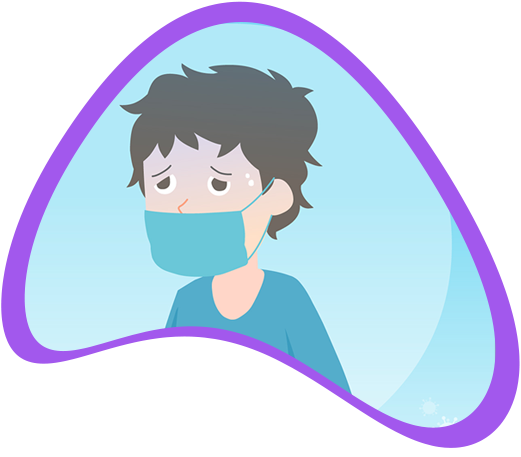
Children's immune systems are still developing, making them particularly susceptible to seasonal respiratory viruses. The average child experiences 6-8 respiratory infections per year, and those in daycare or school settings may have even more. While most childhood respiratory illnesses are mild and self-limiting, parents need to know how to distinguish between routine colds and more serious conditions requiring medical attention.
The Most Common Respiratory Viruses Affecting Children
Several viruses dominate the pediatric respiratory illness landscape, each with distinct characteristics:
- Respiratory Syncytial Virus (RSV): The leading cause of bronchiolitis and pneumonia in children under 1 year. Nearly all children contract RSV by age 2. Symptoms begin with runny nose and cough, progressing to wheezing and difficulty breathing in more severe cases. RSV season typically runs from October through March.
- Influenza: Children, especially those under 5, are at high risk for flu complications. Unlike adults, children may experience gastrointestinal symptoms like vomiting and diarrhea alongside respiratory symptoms.
- COVID-19: Children generally experience milder COVID-19 than adults, but severe cases and multisystem inflammatory syndrome in children (MIS-C) remain concerns. Vaccination is recommended for those 6 months and older.
- Rhinovirus (Common Cold): The most frequent childhood infection, causing runny nose, sneezing, mild cough, and occasionally low-grade fever. Symptoms typically resolve within 7-10 days.
- Adenovirus and Parainfluenza: These cause a range of illnesses from mild colds to croup (barking cough) and pneumonia.
Warning Signs That Require Immediate Medical Attention
Parents should seek emergency care if their child exhibits any of the following:
- Respiratory distress: Rapid breathing (more than 60 breaths per minute in infants, 40+ in older children), nasal flaring, grunting, or visible chest retractions (skin pulling between ribs or at the base of the neck with each breath).
- Oxygen deprivation: Bluish or gray lips, tongue, face, or nail beds indicate low blood oxygen levels requiring urgent intervention.
- Dehydration: No urine output for 8+ hours, dry mouth, sunken eyes, no tears when crying, or unusual drowsiness.
- Fever in young infants: Any rectal temperature of 100.4°F (38°C) or higher in an infant under 3 months requires immediate evaluation.
- Altered mental status: Unusual lethargy, difficulty waking, extreme irritability, or confusion.
- Febrile seizures: Convulsions associated with fever, particularly if lasting more than 5 minutes or if it is the child's first seizure.
At-Home Care for Mild Respiratory Illnesses
For mild cases, supportive care at home is usually sufficient:
- Nasal suction and saline drops for infants who cannot blow their noses. A bulb syringe or nasal aspirator can clear mucus before feeding and sleeping.
- Cool-mist humidifier in the child's room to ease congestion and coughing.
- Honey (for children over 1 year only) to soothe cough—1/2 to 1 teaspoon as needed. Never give honey to infants under 12 months due to botulism risk.
- Elevate the head of the bed slightly for older children (never use pillows with infants due to SIDS risk).
- Encourage fluids to prevent dehydration. Breastfed infants should continue nursing on demand. Offer small, frequent amounts of water, broth, or electrolyte solutions to older children.
- Fever management with weight-appropriate doses of acetaminophen or ibuprofen. Never give aspirin to children or teenagers.
The Importance of Vaccination
Pediatric immunization is the most effective preventive measure available. The CDC recommends:
- COVID-19 vaccine: For everyone 6 months and older, with boosters as recommended.
- Annual influenza vaccine: For everyone 6 months and older, ideally by October.
- RSV preventive antibody (nirsevimab): Now recommended for all infants under 8 months entering their first RSV season, and for high-risk children 8-19 months entering their second season.
Protecting children from respiratory illness requires vigilance, but armed with knowledge of warning signs and appropriate home care strategies, parents can confidently navigate cold and flu season while knowing exactly when to seek professional help.
ADVERTISEMENT — Google AdSense — Responsive Ad Unit